


Friendships vs Cliques
- Sep 8, 2021
- 3 min read
Updated: Apr 18, 2022
Friendships can have a significant toll on adolescents’ mental health, negative and positive, making it one of the biggest causes of problems with emotional well-being.
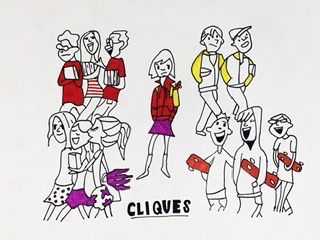
How are Friendships/Cliques Made?
A study on socioemotional adjustment, broke down the types of friendships and how cliques are made. For example, it explains how most young teen boys tend to be friends with those who share similar aggression. For girls who share similar social status and wealth.
These aspects of friend groups start to form cliques. Cliques are formed around common interests, but the social dynamics are very different. Cliques are “usually tightly controlled by leaders who decide who is "in" and who is "out." The kids in the clique do most things together. Someone who has a friend outside the clique may face rejection or ridicule”. These groups can not only hurt the people not allowed in the clique but the ones that are involved.
What is a Clique
Cliques are most of the time form around common interests, but the social dynamics are very different. Cliques are usually controlled by a leader who chooses the people within the group. The kids in the clique do everything together with no intentions of including anyone else. Someone who has a friend outside the clique may be rejected or taunted. The kids will tend to behave in a way they feel uncomfortable about or know is wrong in order to please a leader and stay in the group. Cliques can have unhealthy rules, such as weight loss or bullying others based on looks, disabilities, race, or ethnicity, etc.
What should I do?
STUDENTS:
though every situation is different there are many different things you can do to avoid cliques or prevent them from happening in your friend groups. Learning to manage your feelings can be one, instead of lashing out at your friend, try counting to "10" and do some deep breathing to calm your self down before making a decision or saying something you might regret or make a situation worse. Yes, it does suck to feel
PARENTS:
Parenting a young teen can be hard. Your child may be going through many new changes and for most going into a new schooling environment. Middle School is a huge change and comes with a ton of different challenges, but there are a lot more changes than just their education.
When talking about "cliques", middle school is swarming with them and for the most part a lot of kids fall into them. For those who don't it creates new insecurities and anxiety that these students have never faced before.
As a parent its hard to not get involved, its difficult to watch your child be left out or feel controlled by another child. My advice for parents is to try and avoid anymore potential harm to your child. Though its tempting, contacting the other parents can create more controversy between the kids. Instead help your child navigate a respectful conversation with the other, letting them know how he or she feels.
Encourage your child to look for new friends. Remind them that they shouldn't try to fit in and should find people who want them for them. Helping your child try to force themselves into a friend group can create more problems and allow for toxic friendships. Bring up involvement in extracurricular's, doing this can help them create friends with similar interest and takes up some of their free time so they aren't constantly feeling left out.
Though your children are still young, instead of getting involved and potentially making the situation worse, advise your child on how to handle the situation themselves. There are many different options to go to when your child is put into these situations that can help them navigate there emotions and feelings in a respectful manner that can avoid any extra problems.



Comments