


Bullying
- Sep 8, 2021
- 2 min read
Updated: Apr 19, 2022
Bullying is an every day occurrence but how are the students of this generation dealing with it now?
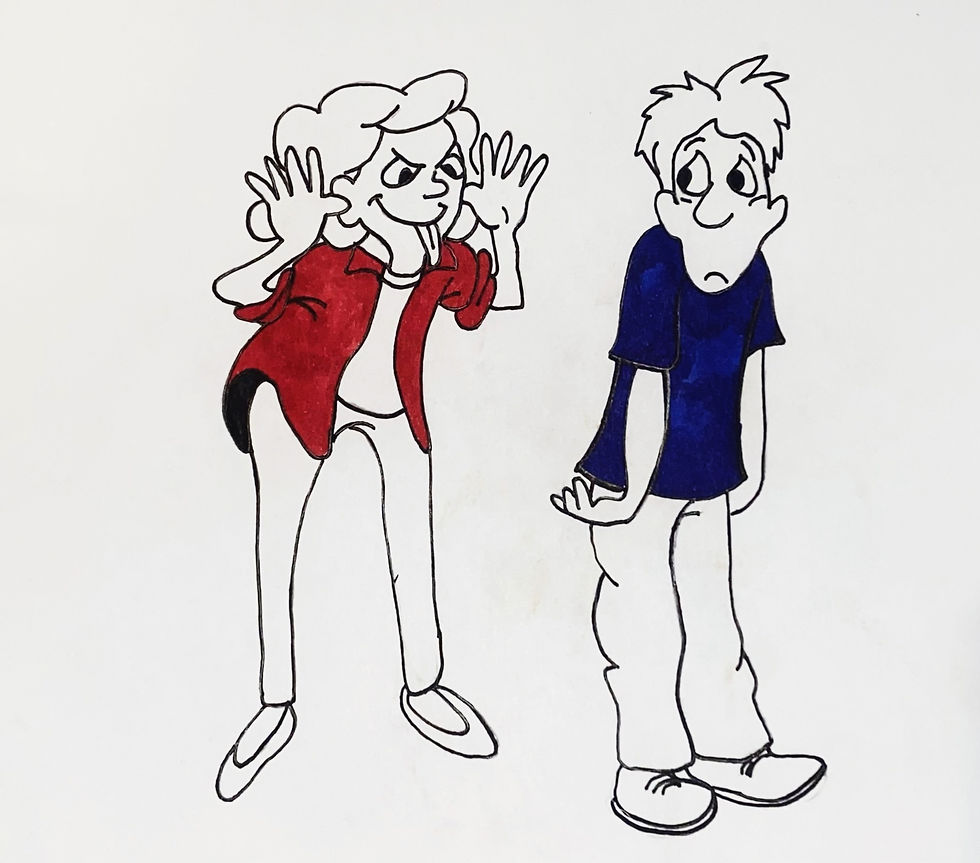
What is Bullying?
Bullying, by definition, is to seek harm or intimidate someone perceived as vulnerable. Bullying nowadays is seen everywhere, from school, sports, home, and even on social media. Many different types of bullying and roles taken place during bullying. In this section of my blog, we will break down all the different types and parts of bullying.
Types of Bullying
Physical Bullying
Physical bullying is when the bully uses physical force to harm the victim and to show their power and strength to gain control of the victim. Physical bullies tend to be stronger and bigger than their peers.
Examples: Kicking, hitting, punching, slapping, shoving, or any other physical attack.
Verbal Bullying
Verbal bullying uses words, comments, statements, or name-calling to gain control of the victim. Verbal big bullies tend to use this to belittle or hurt another’s feelings. These bullies tend to target kids off of their luxe disabilities or things that make them different.
Relational Aggression
Relational aggression is a sneaky type of bullying that goes unnoticed by most teachers and parents. This bullying is a type of manipulation done to try and sabotage someone else’s social standings. This is also known as social and emotional bullying.
Cyberbullying
Cyber bowling uses the Internet to harass, intimidate, or threaten your victim. Cyberbullies often say things that they wouldn’t say to your face. Using technology helps them feel anonymous, making it easier to do.
Prejudice Bullying
Prejudice bowling is based on prejudices teens or tweens have against another race, religion, or sexual orientation. This type of bullying can be a combination of all the other types of bullying; if not taken seriously, it can lead to hate crimes.
Types of Bullies
Bully-victims- bullies who used to be victims and try and rise above it.
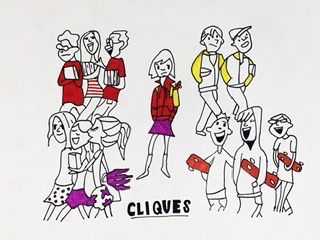
Popular Bullies- bullies who are confident and condescending (usually have a group who follows)
Relational Bullies- usually a somewhat popular student who gets to decide who is excepted and not in the school.
Serial Bullies- Can be sweet and kind to authority but cold and heartless towards their peers.
Group Bullies- tend to bully as a group but act entirely differently when alone.
Roles During Bullying
Aggressor- Person who does the bullying.
Target- Person being bullied (Victim)
Bystander- people in the community that knows what’s going on
Authority- People who can make it stop or make rules or policies to avoid it.



Comments